
notice:
Search:
 Menu

Hot products
Modular Felt Acoustic Ceiling Baffles
Modular Felt Acoustic Ceiling Baffles feature a flexible interlocking design, allowing free combinations of shapes and layouts. Ideal for customizable ceiling designs, sound absorption, and improved acoustic comfort in offices, schools, and commercial spaces.
Standard 9 mm PET Felt panels
Discover customizable acoustic wall panels made from 100% recycled PET polyester fiber. Achieve NRC 0.85+ sound absorption with eco-safe (12 bottles recycled/panel), fire-resistant (Class A/B1) solutions. Perfect for studios, offices & modern interiors. Custom sizes/colors available. LEED & GREENGUARD Gold certified.
20mm polyster fiber panel directly supplied by Chinese manufacturers
PET Acoustic Panel is made from 100% polyester,by needle punching processing. The production processis completely physical&eco-friendly, no waste water,emissions, waste. no adhesive, The porous nature ofacoustic panel makes it sound absorptive&thermalinsulative.
9mmPet And 12mmMdf Composite Akupanel
As a leading China-based acoustic panel factory, we specialize in crafting high-quality Decorative Natural Grooved Akupanel Wooden Acoustic Wall Panels that combine aesthetic appeal with superior sound absorption. Our products are engineered for architects, interior designers, and contractors seeking eco-friendly acoustic solutions with customizable designs.
Mdf And Pet Board Sound Acoustic Wood Slat Panels
As a leading Chinese acoustic panel manufacturer, our factory specializes in producing Akupanel wooden slat acoustic panels that combine aesthetic appeal with superior noise reduction performance. These wood wall acoustic panels are ISO 9001 certified, featuring Class A fire ratings and NRC 0.85 sound absorption coefficients.
24mm PET Acoustic Panels Polyester Fiber Sound Absorbing Material
Our 24mm PET Acoustic Panel answers your acoustical and aesthetic needs with its strong sound-absorbing performance, durability, and elegant appearance. These panels are used for sound reduction and reverberation control. Available in a wide variety of sizes, thicknesses, fabric styles, and colors. 24mm PET Acoustic Panels allow you to create an effective sound control treatment that is distinctly appropriate for your environment.
300x300mm Hexagon Wall Panels
Upgrade your space with our 300x300mm hexagon acoustic panels. Made from high-density polyester fiber, these soundproof wall panels effectively reduce noise and echo. Quick installation, stylish design, and premium sound absorption for offices, studios, and homes.
Polyester Acoustic Panel (standard)
High-performance polyester fiber acoustic panels for noise control and sound absorption. Eco-friendly soundproofing solution for commercial and residential spaces with Class A fire rating.
Modern Office Meeting Pods - 2 Steel Walls + 2 Glass Walls - Custom Sizes Available
China factory-direct manufacturer of premium soundproof meeting pods featuring 2 metal walls + 2 glass walls. Our ISO-certified office pods deliver 38dB noise reduction with quick-ship modular designs. Custom sizes/colors available with 5-year warranty. Ideal for offices, coworking spaces & universities. Competitive pricing with bulk order discounts. Request CAD files & quotes today!
Cases
Nanhai Middle School Lecture Hall
The original acoustic design of the auditorium at Nanhai Middle School can no longer meet the needs of modern teaching and activities, especially in large-scale lectures, conferences, and cultural events. The uniformity of the sound field and the clarity of speech directly affect the efficiency of information transmission and learning outcomes. Therefore, carrying out scientific and reasonable acoustic decoration is the top priority of current work.
Shenzhen Longhua Experimental School Concert Hall
Shenzhen Longhua Experimental School Concert Hall
Acoustic Decoration Project of Guangzhou Metro Museum
Acoustic Decoration Project of Guangzhou Metro Museum
Professional Selection, Installation & Performance Guide
Learn everything about self adhesive PET acoustic panels, including core performance, adhesive quality standards, professional installation skills, and common pitfalls. Choose reliable peel and stick PET panels for DIY residential and commercial acoustic treatment.
Cuttable PET Acoustic Panels: Custom Shape Acoustic Treatment Complete Guide
Explore cuttable PET acoustic panels’ performance, cutting techniques, selection standards and application scenarios. Learn how to avoid common mistakes when using cuttable PET acoustic panels for residential and commercial custom acoustic design.
Acoustic Renovation Case of Lecture Hall (Dongguan Songshan Lake School Junior High School Project) - Yuefa Acoustics
The lecture hall is not only used for hosting large-scale conferences, cultural performances, and social events, but also often serves multiple functions such as education and training, exhibitions, etc. The goal of acoustic renovation is to optimize the sound field distribution, reduce noise interference, and improve audio clarity, so that the auditorium can better adapt to various needs.
Complete Professional Guide
Learn how PET acoustic panels air gap mounting boosts sound absorption performance, avoid common installation pitfalls, and select the best air gap solutions for residential, studio, and commercial acoustic projects.
Step-by-Step Professional Guide
Master standard PET acoustic panels wall installation processes, professional layout skills, and common construction pitfalls. Learn to select correct mounting solutions for perfect acoustic and decorative wall results.
Installation, Performance & Buying Guide
Discover the full guide for PET acoustic panels for ceiling applications, including core performance differences, professional installation techniques, scenario matching, and common pitfalls to upgrade indoor ceiling acoustic treatment correctly.
Acoustic architectural decoration of the multifunctional hall at Xinyu Ninth Middle School
Yuefa Acoustics provides professional multifunctional hall acoustic decoration design solutions, including architectural acoustics, sound reinforcement, and noise control design, with the aim of ensuring language clarity in the audience seats.
News


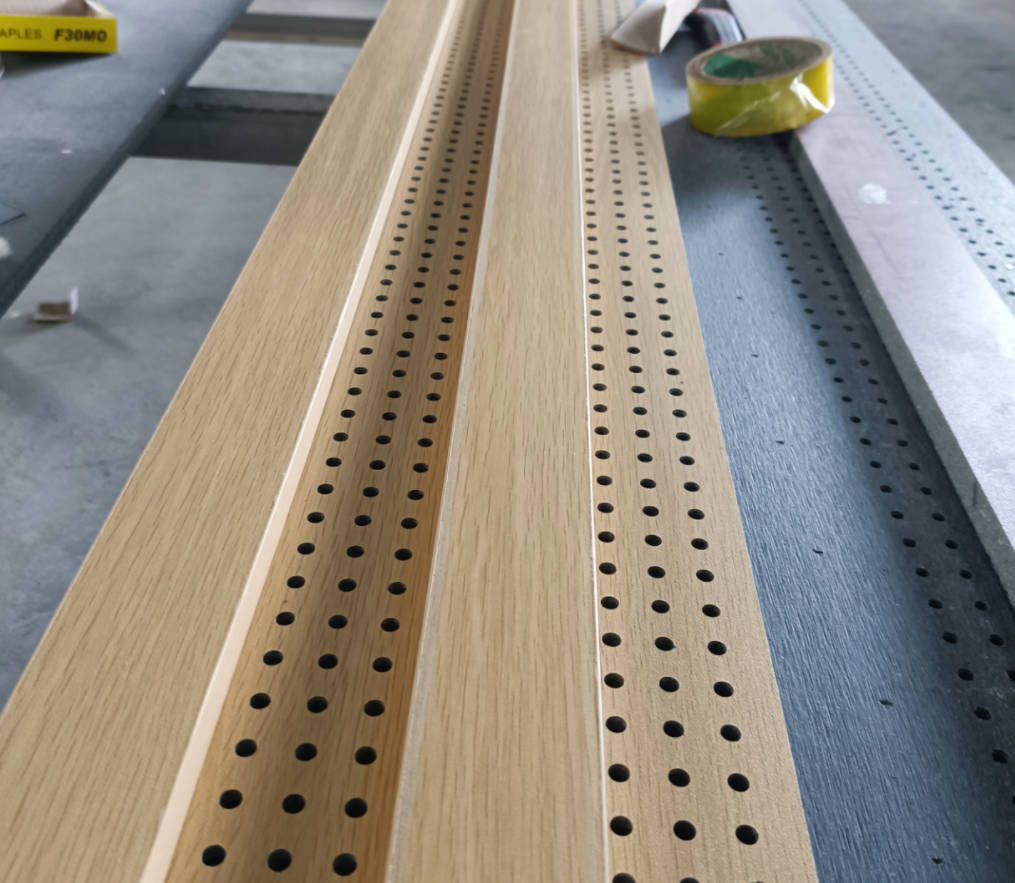


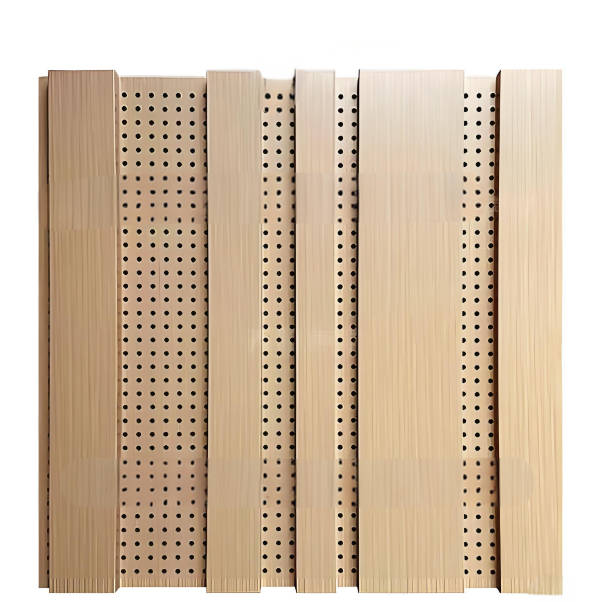
Wood Acoustic Diffusers Manufacturer in China
Yuefa Acoustic is a wood acoustic diffuser manufacturer in China, offering customized wooden sound diffusers for theaters, auditoriums, recording studios, and professional acoustic projects.
factory
Quick shipment
quality assurance
Honest cooperation

Yuefa Acoustics
Guangdong Yuefa Acoustic New Materials - Manufacturer of Sound Insulation and Sound Absorption Materials
Wood Acoustic Diffusers Manufacturer in China: A Professional Buying Guide
1. What Are Wood Acoustic Diffusers?
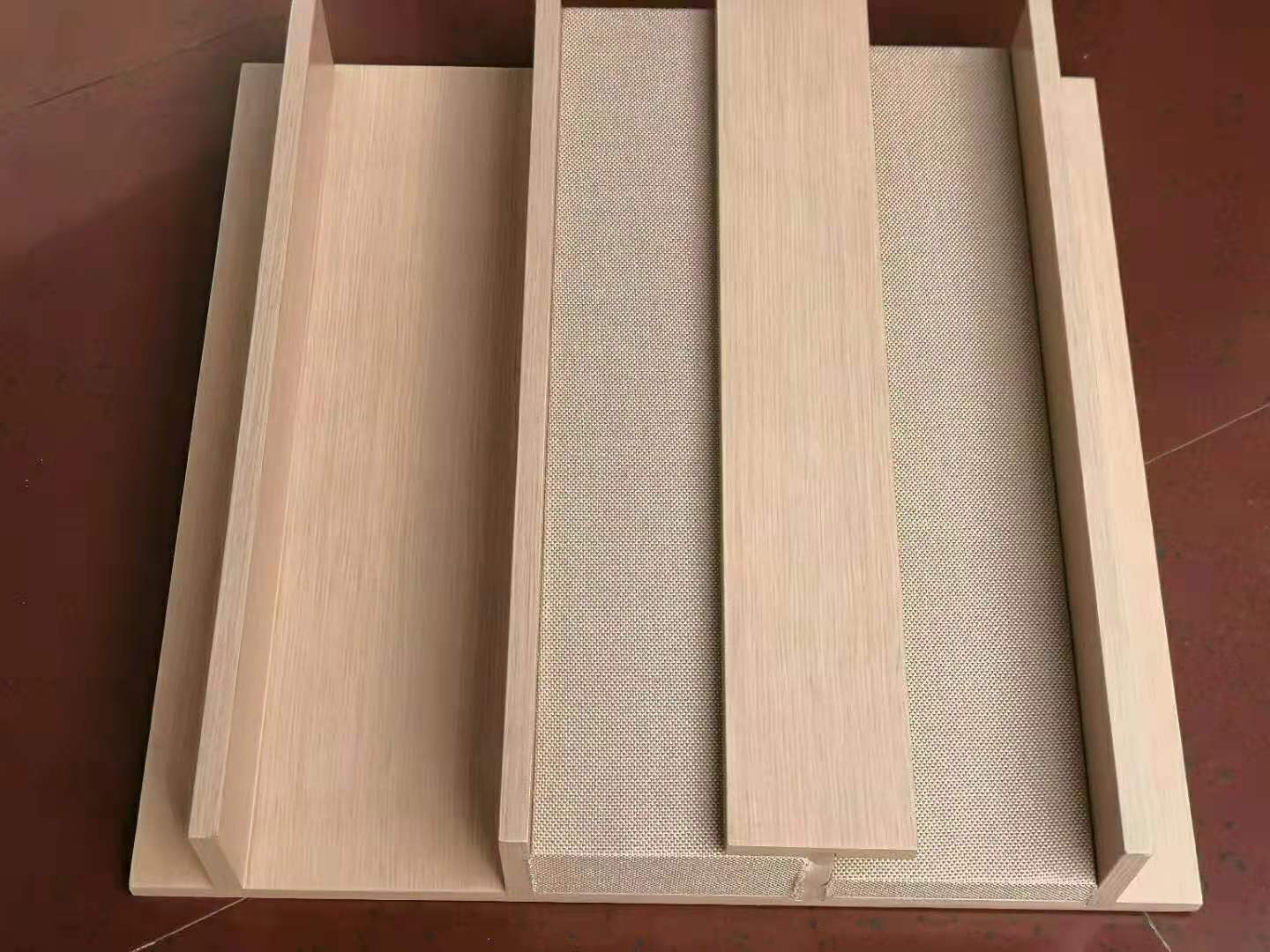
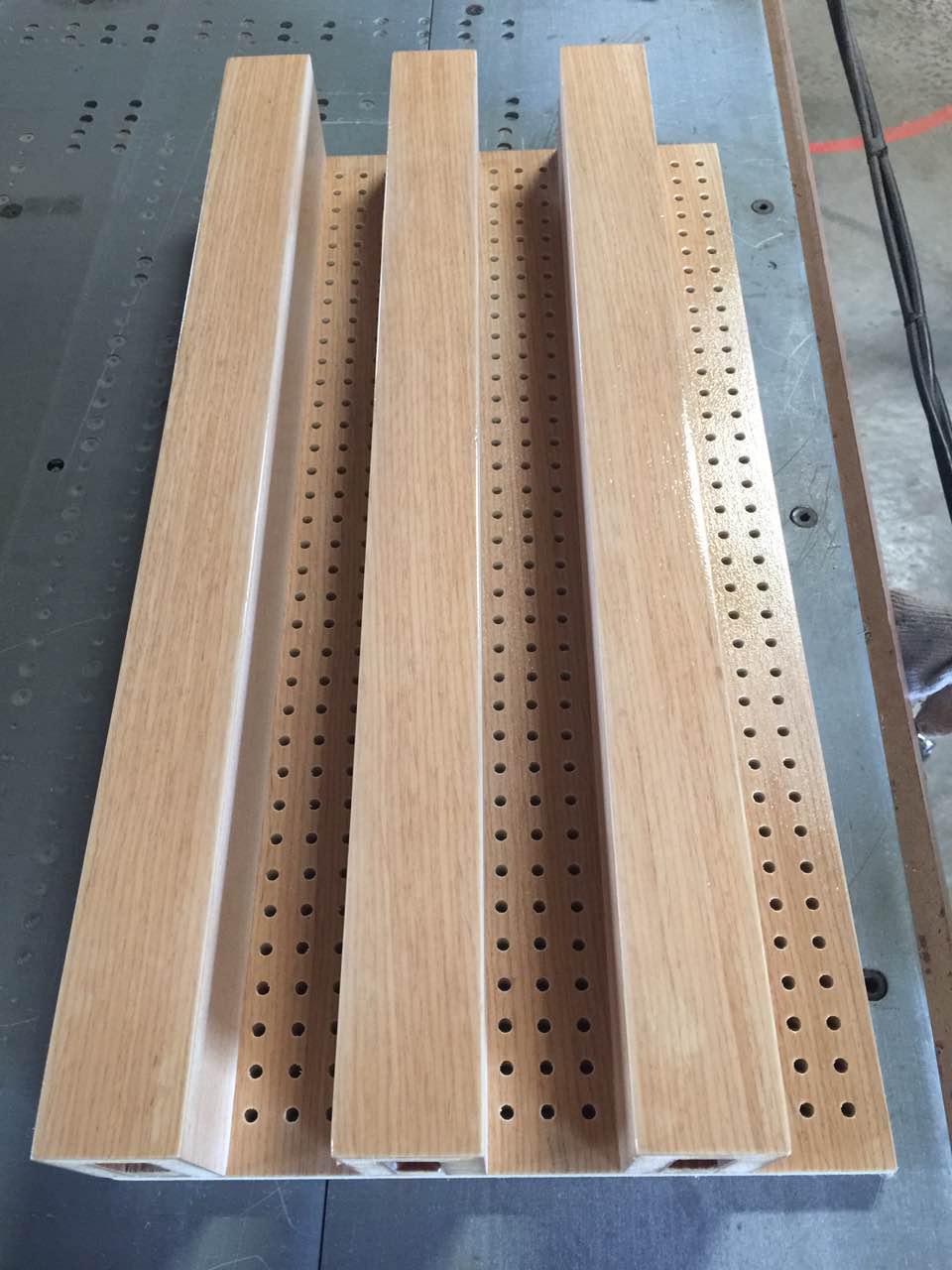
Wood acoustic diffusers are specially designed architectural acoustic elements that scatter reflected sound waves in different directions rather than concentrating sound reflections in one direction. They are widely used in theaters, auditoriums, concert halls, recording studios, music rooms, and other spaces where sound quality is an important design consideration.
Unlike conventional acoustic panels that primarily absorb sound energy, wood acoustic diffusers help distribute reflected sound more evenly throughout a room. This can reduce problematic concentrated reflections and support a more balanced acoustic environment when the diffusers are properly designed and positioned.
Yuefa Acoustic is a Chinese manufacturer of wooden acoustic products, providing customized wood acoustic diffusers for architectural and commercial projects. We can develop solutions according to project dimensions, decorative requirements, installation methods, and acoustic design specifications.
For project buyers, selecting a suitable acoustic diffuser involves more than choosing an attractive wood finish. The diffuser geometry, well depth, spacing, material thickness, installation position, and room characteristics all influence the final result.


2. How Do Wood Acoustic Diffusers Work?
When sound waves strike a flat, hard surface, they may reflect in a relatively predictable direction. Depending on the room geometry, these reflections can contribute to echoes, flutter echoes, or uneven sound distribution.
A wood acoustic diffuser uses a deliberately designed surface profile to redirect reflected sound energy across different directions.
Common diffuser structures include:
QRD acoustic diffusers: Quadratic Residue Diffusers use a sequence of wells with different depths to scatter sound over a designed frequency range.
2D acoustic diffusers: These use surface geometry designed to scatter sound in two dimensions.
3D acoustic diffusers: Three-dimensional profiles can provide multidirectional scattering, depending on the geometry and design.
Geometric wood diffusers: Slats, blocks, angled surfaces, and other shaped wooden elements can scatter sound, although their performance depends on the specific design.
The purpose is not simply to make a wall uneven. The geometry must be appropriate for the intended frequency range and application.
For example, a diffuser designed for mid- and high-frequency reflections may not provide meaningful diffusion at low frequencies. Therefore, professional acoustic design should consider room volume, source and listener positions, reflection paths, and the intended acoustic response.
3. What Are the Main Benefits of Wooden Acoustic Diffusers?
3.1 More Even Sound Distribution
Wood acoustic diffusers can help distribute reflected sound across a room, reducing strong localized reflections when correctly designed and installed.
This is particularly relevant in auditoriums, music rooms, and performance spaces where listeners should experience consistent sound throughout the seating area.
3.2 Improved Acoustic Comfort
In suitable applications, diffusers help manage reflection patterns and reduce the perception of harsh or concentrated reflections.
However, diffusers do not automatically reduce reverberation time. If excessive reverberation is the main problem, additional sound-absorbing materials may be necessary.
3.3 Natural Wood Appearance
Wooden acoustic diffusers combine functional surface geometry with architectural decoration. Common finish options include natural wood veneer, stained finishes, painted surfaces, and other project-specific decorative treatments.
The final finish should be evaluated alongside the acoustic design because coatings, coverings, and construction details can affect performance.
3.4 Customized Architectural Integration
For commercial projects, wooden diffusers can be customized to coordinate with wall panels, ceilings, lighting, and interior design elements.
Manufacturers can work with project teams to coordinate dimensions, module layouts, edge details, mounting structures, and finish samples before mass production.
4. Where Are Wood Acoustic Diffusers Used?
Theaters and Auditoriums
Wood acoustic diffusers are commonly considered for selected rear walls, side walls, and other reflection-control areas. Their placement should be based on the venue's acoustic design rather than decorative preference alone.
Concert Halls and Music Rooms
Diffusion can help create a more spatially distributed pattern of reflections. The appropriate diffuser type depends on the performance requirements, room geometry, and the balance between absorption and reflection.
Recording Studios
Diffusers may be used in control rooms, live rooms, and listening environments to manage reflections while retaining a sense of acoustic space. Studio designers often combine diffusers with absorbers and bass traps.
Conference Rooms and Commercial Interiors
In selected meeting rooms and multipurpose spaces, decorative wood diffusers can contribute to reflection management. For speech-focused rooms, buyers should also assess background noise, reverberation time, and the need for sound absorption.
Hotels, Cultural Buildings, and Public Spaces
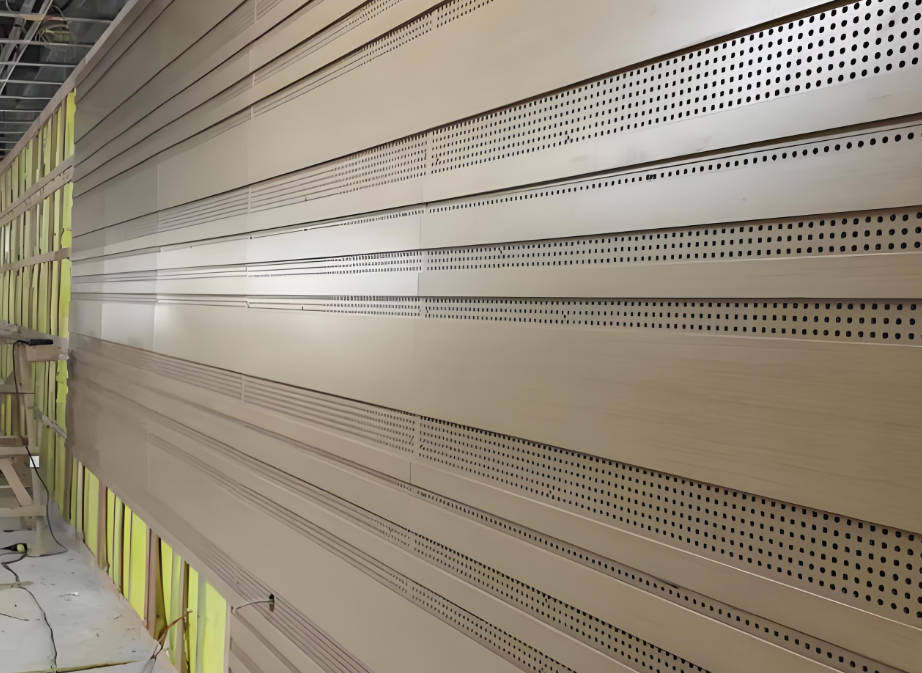
Wooden acoustic diffuser panels can be integrated into feature walls and architectural interiors where visual quality and acoustic considerations need to be coordinated.
5. Key Technical Parameters Buyers Should Check
When comparing wood acoustic diffuser manufacturers, buyers should request detailed technical information instead of relying on product photographs or general performance claims.
5.1 Diffuser Geometry and Design
The surface profile is one of the most important factors affecting acoustic performance.
Ask the manufacturer to identify whether the product uses QRD wells, two-dimensional geometry, three-dimensional geometry, slats, blocks, or another construction method.
For engineered diffusers, confirm the design dimensions, well sequence, well depth, spacing, and intended frequency range. These parameters should be consistent with the acoustic design and the product's actual construction drawings.
5.2 Dimensions and Thickness
Typical project requirements may include:
Module width and height
Overall panel depth
Individual well or block dimensions
Base panel thickness
Edge and joint details
Total installed projection from the wall
Customized module sizes and arrangements
There is no single standard thickness suitable for every diffuser. The required depth depends on the design geometry, target frequency range, mounting arrangement, and available installation space.
A deeper diffuser may support lower-frequency operation in some designs, but depth alone does not guarantee better performance.
5.3 Material and Construction
Common materials and components may include MDF, plywood, solid wood, wood veneer, and engineered wood products.
Buyers should confirm the substrate grade, density or material specification where relevant, moisture conditions, surface finish, dimensional stability, and edge treatment.
For large projects, the manufacturer should also clarify how modules are joined, how dimensional consistency is controlled, and how the panels are protected during transport.
5.4 Acoustic Performance Data
A professional specification should distinguish between sound diffusion, sound absorption, and sound insulation.
Sound diffusion: Describes how reflected sound is distributed in different directions.
Sound absorption: Describes how much sound energy is absorbed by a material or system.
Sound insulation: Describes the reduction of sound transmission between spaces.
The Noise Reduction Coefficient (NRC) is an absorption rating, not a direct measure of diffusion performance. A product should not be described as a high-NRC diffuser unless appropriate absorption testing supports that claim.
For engineered diffusers, ask whether scattering or diffusion performance has been evaluated using an appropriate test method, such as ISO 17497-1 or ISO 17497-2, depending on the intended performance claim. Confirm the applicable standard, test configuration, and report scope.
If a project requires a particular frequency range, request supporting design calculations or test data instead of accepting an unsupported general statement.
5.5 Fire Performance and Safety
Fire performance is especially important for theaters, auditoriums, hotels, schools, and public buildings.
Confirm the required local fire classification before production. Depending on the market and project, this may involve EN 13501-1, ASTM E84, or another applicable standard.
The classification must apply to the actual product construction and relevant finish. A fire-rated substrate does not automatically mean that the finished panel assembly meets the same classification.
Also consider applicable requirements for smoke development, indoor emissions, and other project-specific safety criteria.
5.6 Installation and Mounting
Installation requirements affect both appearance and performance.
Confirm:
Wall substrate and supporting structure
Mechanical fixing method
Panel weight and fixing-point requirements
Module alignment and joint tolerances
Required access for maintenance
Coordination with lighting, electrical services, and other wall systems
For large installations, ask for shop drawings, fixing details, installation instructions, and a sample module before ordering.
6. How to Choose the Right Wood Acoustic Diffuser
The best product depends on the room's actual acoustic problem.
Step 1: Identify the acoustic objective. Determine whether the main issue is excessive reverberation, strong reflections, flutter echo, or uneven sound distribution. Different problems require different treatments.
Step 2: Confirm the target frequency range. Review the room dimensions and acoustic design to determine which frequencies need to be scattered. Do not select a diffuser solely by its appearance or overall depth.
Step 3: Choose the appropriate diffuser structure. QRD, two-dimensional, three-dimensional, and geometric diffusers have different design characteristics. Selection should follow the intended acoustic performance and installation position.
Step 4: Coordinate absorption and diffusion. Many successful acoustic spaces combine reflective surfaces, diffusers, absorbers, and other treatments. A diffuser is not a universal substitute for an acoustic absorption system.
Step 5: Review samples and technical documents. Check finish quality, construction accuracy, dimensions, material specifications, and relevant acoustic and fire test reports.
Step 6: Confirm installation and supply details. Review drawings, packaging, lead time, production tolerances, delivery arrangements, and spare-panel requirements before placing a purchase order.
7. Why Work with a Wood Acoustic Diffuser Manufacturer in China?
Working directly with a manufacturer can help project buyers coordinate customization, production details, and procurement requirements.
Yuefa Acoustic focuses on wooden acoustic panels and customized acoustic products for architectural projects. Our manufacturing and project coordination can support buyers who need to align decorative finishes, module dimensions, installation details, and product specifications.
For a quotation, buyers should provide the following information:
Project type and installation location
Required panel dimensions and estimated quantity
Preferred wood material and finish
Available installation depth
Acoustic design requirements or target frequency range
Fire-rating and certification requirements
Delivery destination and expected schedule
Based on these details, the product specification and quotation can be prepared for review. Any acoustic performance claims should be confirmed against the agreed design and supporting technical documentation.
8. Common Questions About Wood Acoustic Diffusers
Q1. Are wood acoustic diffusers the same as wood acoustic panels?
No. Wood acoustic panels is a broad category that may include absorptive panels, perforated panels, slatted panels, and diffusers.
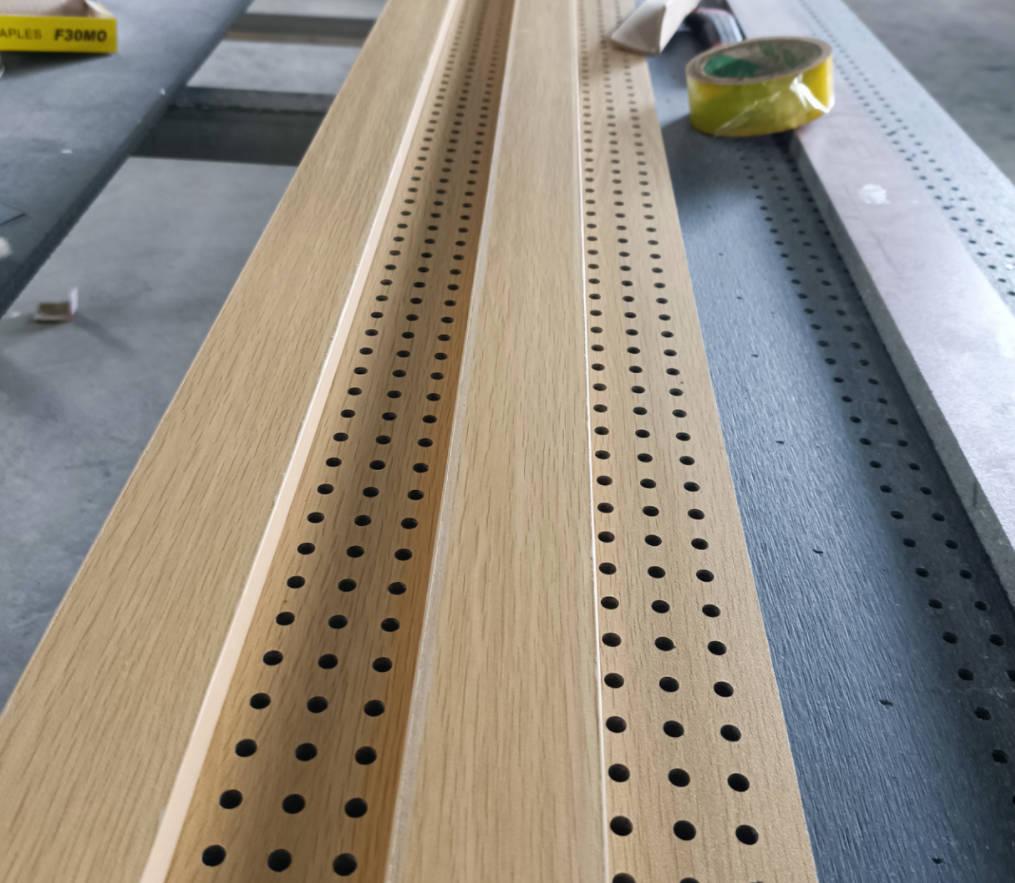
Wood acoustic diffusers are specifically designed to scatter reflected sound. Some perforated or slatted wood panels may primarily absorb sound when combined with an absorptive backing, so the product's actual structure and intended function should be confirmed.
Q2. Do wood acoustic diffusers reduce reverberation time?
Not necessarily. A primarily reflective diffuser redistributes sound rather than absorbing a substantial amount of it. If the room has excessive reverberation, an acoustic designer may recommend absorptive panels or a combination of absorption and diffusion.
Q3. Which is better: 2D or 3D acoustic diffusers?
Neither is universally better. Two-dimensional diffusers are designed to scatter sound in two dimensions, while three-dimensional designs can provide multidirectional scattering according to their geometry. The appropriate choice depends on the target frequency range, room layout, mounting position, and acoustic objectives.
Q4. Can wood acoustic diffusers be customized?
Yes. Dimensions, profiles, material selection, finishes, module arrangements, and mounting details can often be customized. However, changes to the geometry or dimensions of an engineered diffuser may change its acoustic behavior and should be reviewed before mass production.
Q5. What certifications should buyers request?
The requirements depend on the project location and building regulations. Buyers may need fire-performance reports, material documentation, indoor-emissions information, and relevant acoustic test reports. Confirm that the documentation covers the actual product and finish being supplied.
Q6. How can buyers compare two diffuser suppliers fairly?
Compare the diffuser geometry, target frequency range, material construction, dimensional tolerances, finish quality, supporting test data, fire requirements, installation details, production capacity, lead time, and total project cost.
A lower unit price does not necessarily represent better value if the product requires additional installation work or does not meet the project's acoustic design requirements.
Q7. Are wood acoustic diffusers suitable for every room?
No. They are most appropriate when scattering reflections supports the intended acoustic design. Small rooms, speech-focused spaces, and rooms with excessive reverberation may require a different treatment strategy or a combination of products.
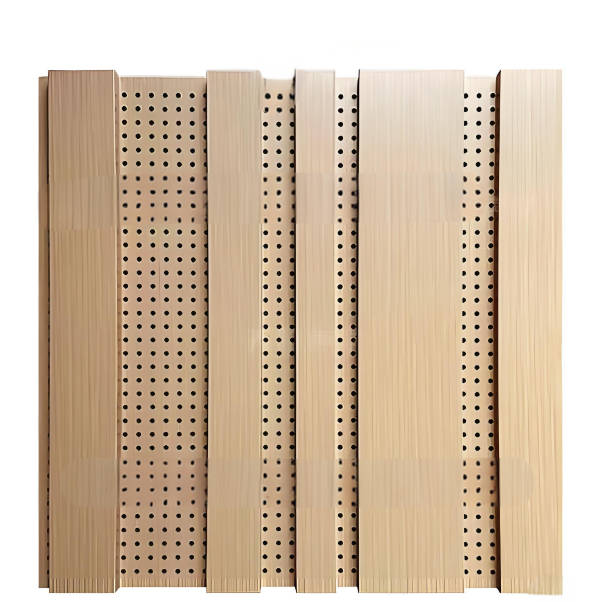
Applications of MLS Diffusers
Recording Studios: Eliminate comb filtering and phase issues for accurate monitoring.
Home Theaters: Enhance immersion by evenly distributing surround sound effects.
Concert Halls: Improve audience experience with consistent sound coverage.
Podcast Studios: Reduce coloration from early reflections for cleaner vocal recordings.
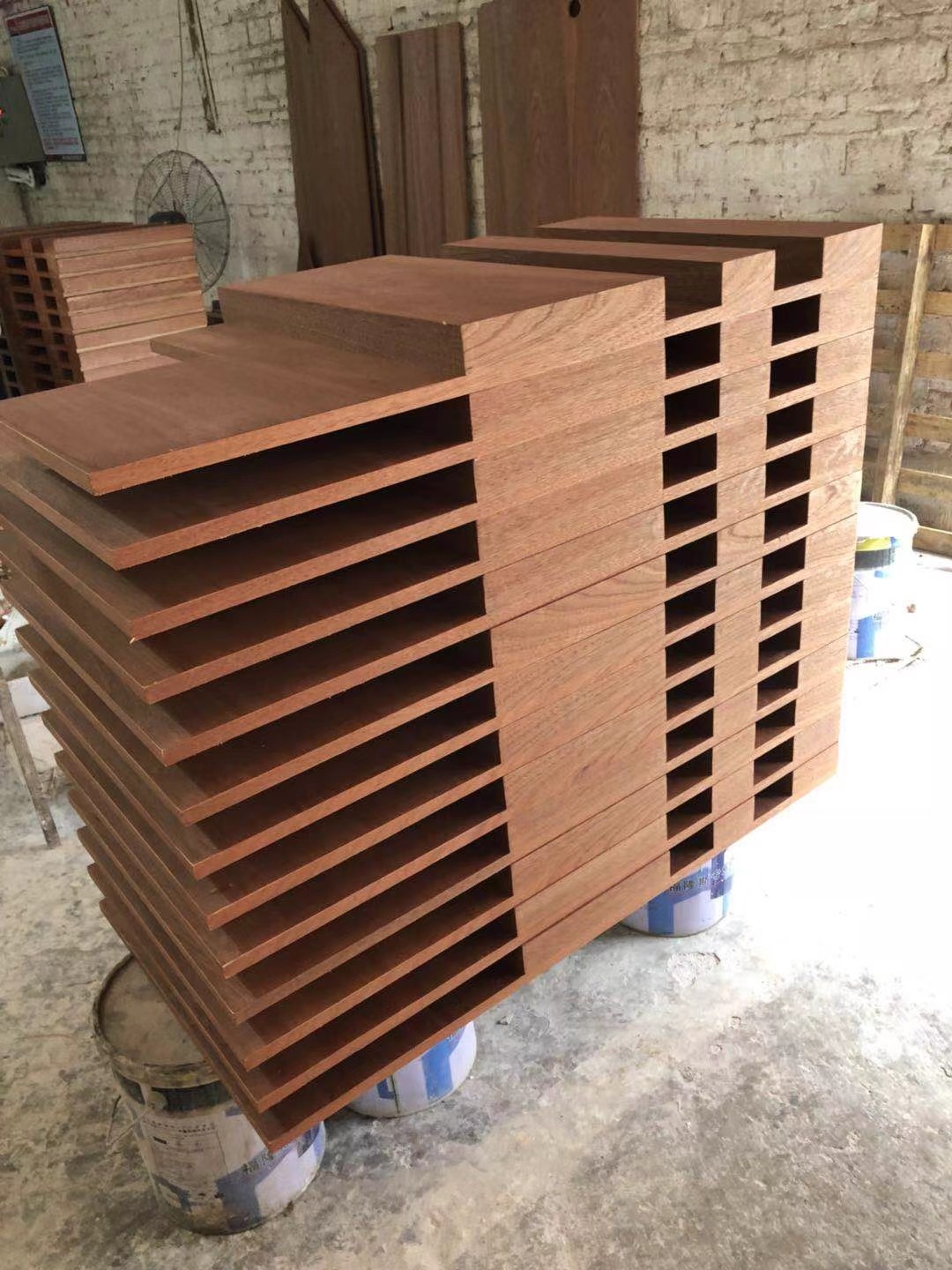
How MLS Diffusers Compare to Other Acoustic Treatments
While absorptive panels (e.g., foam) reduce reverberation by trapping sound, and QRD diffusers (Quadratic Residue Diffusers) target specific frequencies, MLS diffusers offer wider bandwidth diffusion. Their mathematical precision makes them versatile for complex acoustic challenges.
Choosing the Right MLS Diffuser
Consider these factors:
Room Size: Larger spaces may require deeper wells for low-frequency control.
Material: Wood offers durability and warmth; synthetic materials suit humid environments.
Placement: Install diffusers on reflection points (e.g., behind speakers, on ceilings).
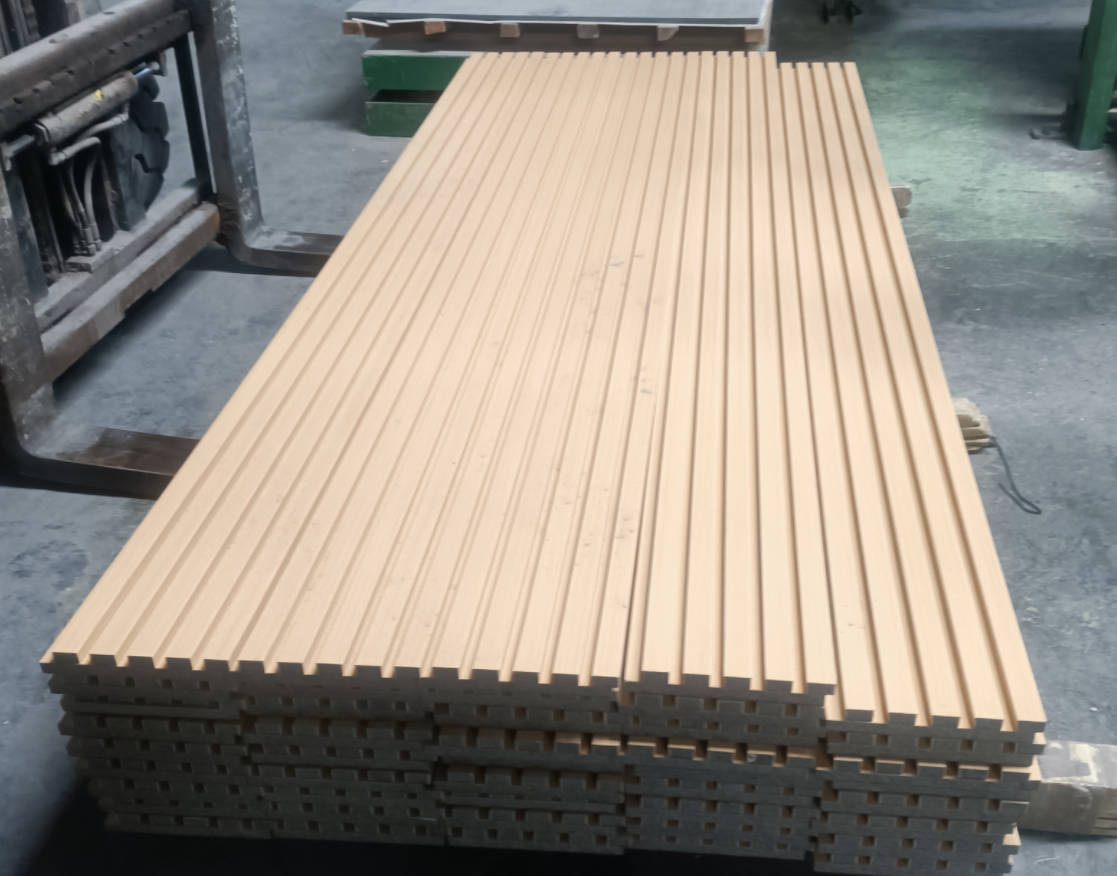
Our Advantages
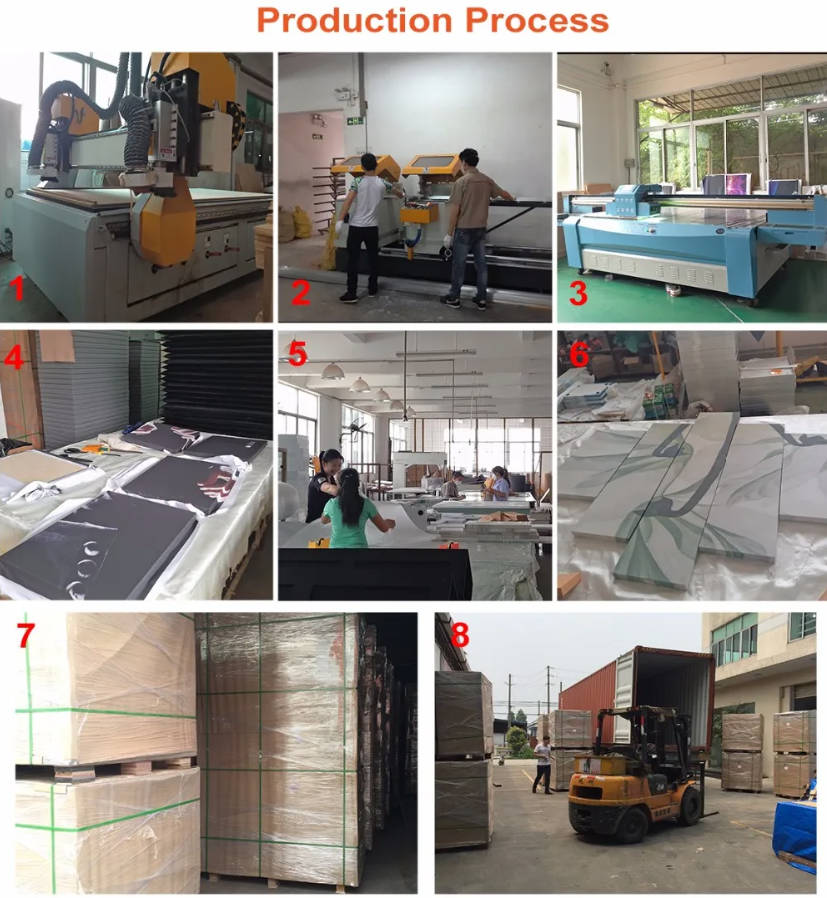
Professional factory service
Our sound-absorbing panel factory is a leading producer of high-quality sound control products.
Our panels are designed to reduce sound transmission and reflection within commercial, industrial and residential environments.
With a focus on innovation and technology, our factory employs state-of-the-art production techniques to manufacture sound-absorbing panels
that meet the highest standards of acoustical performance.
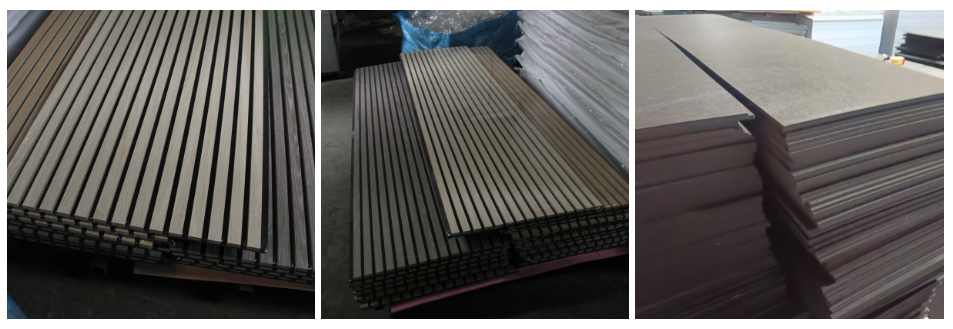
Scene application

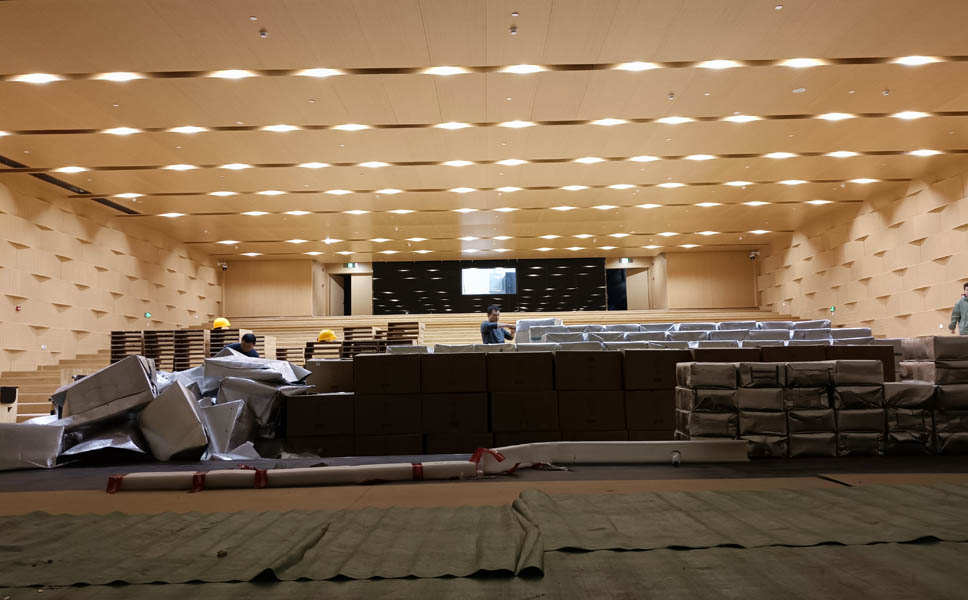
The Polyester Fiber Wooden Grille Acoustic Panel is designed to be easy to install and can be mounted using a simple clip-on system. The panels can be installed on walls, ceilings,etc. The Polyester Fiber Wooden Grille Acoustic Panel is engineered to provide excellent sound absorption performance across a wide frequency range, making it suitable for use in a variety of spaces. These spaces include auditoriums, theaters, music studios, conference rooms, offices, classrooms, and many more.
Professional factory service
Our sound-absorbing panel factory is a leading producer of high-quality sound control products.
Our panels are designed to reduce sound transmission and reflection within commercial, industrial and residential environments.
With a focus on innovation and technology, our factory employs state-of-the-art production techniques to manufacture sound-absorbing panels
that meet the highest standards of acoustical performance.
Custom process
1. Send us your inquiry
2. Made quotation according to your requirement, MOQ, drawings
3. Communication for quotation and drawings, materials, details
4. Sample order production and inspection
5. Place mass order and production, and inspection
6. Delivery and after-sale service
7. Installation guide
Contact Us:
Ready to transform your space? Contact us today for a quote, custom options, or to learn more about how our acoustic panels can benefit your business.



Online Service